Calligraphy & Chinese Painting
Traditional ink painting and brush calligraphy on rice paper, taught by classically trained artists every Saturday.
The Art of the Brush
Chinese painting and calligraphy share the same tools (brush, ink, paper, and inkstone) and the same foundational principle: every stroke is irreversible. There's no erasing, no layering over mistakes. You load the brush, touch paper, and whatever happens is part of the work.
That sounds intimidating, but it's actually freeing. Our classes start with the basics: how to hold the brush, how to control ink flow, how to make the eight fundamental strokes that form every Chinese character. From there, students move into painting: bamboo, plum blossoms, orchids, and chrysanthemums (the "four gentlemen" of Chinese painting), then landscapes, birds, and more complex compositions.
Classes meet every Saturday morning at the Visual Art Institute in South Salt Lake. Sessions run about two hours and include demonstrations, guided practice, and individual feedback. Materials are provided for beginners; experienced students bring their own.
Class Details
When: Saturdays, 10:00 AM – 12:00 PM
Where: Visual Art Institute, South Salt Lake
Level: All levels welcome
Materials: Provided for beginners
Drop-ins: Welcome anytime
Instructors
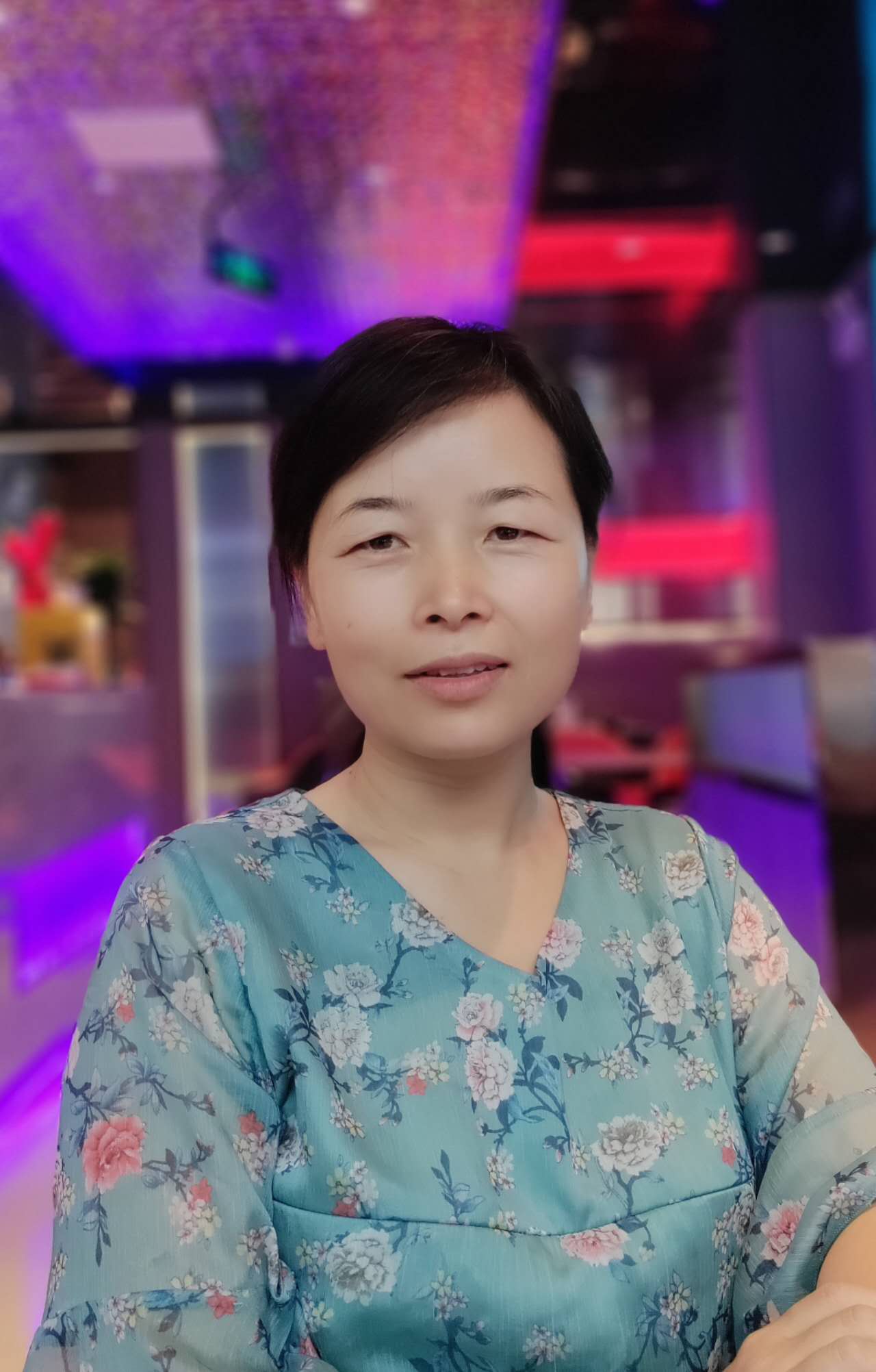
Cuizhen Yue Domke
A visual artist with 28 years of experience across sketches, gouache, oil, and traditional Chinese ink painting. Cuizhen co-leads Saturday sessions, focusing on brush technique and ink composition while offering one-on-one guidance during class.
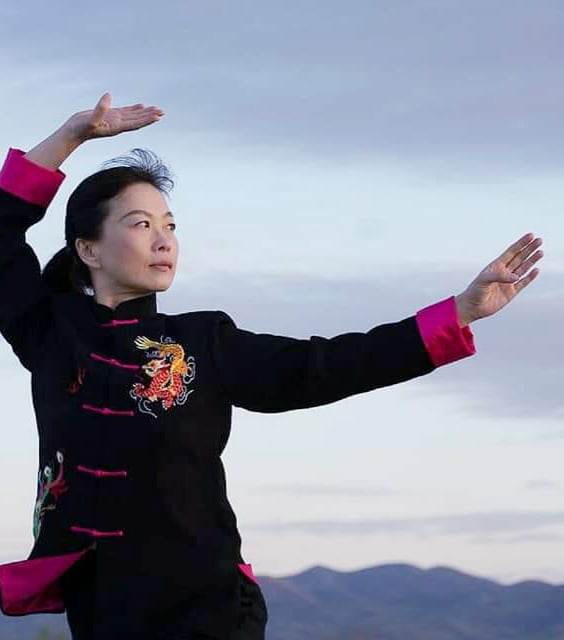
Lin Yang
A classically trained calligrapher with an MA in fine art education from Tokyo Gakugei University, and a fifth-generation successor of Yin Family Baguazhang. Lin Yang teaches Chinese calligraphy with a rigorous classical foundation, covering stroke order, rhythm, and the structural logic behind every character.
What You'll Learn
Brush & Ink Fundamentals
How to hold the brush, control ink density, and execute the basic strokes. Proper use of the "four treasures": brush, ink, paper, and inkstone.
Calligraphy Scripts
Regular script (kaishu) for beginners, then running script (xingshu) and cursive (caoshu) for advancing students. Character structure, stroke order, and rhythm.
Traditional Subjects
The four gentlemen (plum, orchid, bamboo, chrysanthemum), landscapes with mountains and water, bird-and-flower compositions, and figure painting.